What the New DEA PPAEMA Rule Means for EMS Agencies and How to Stay Compliant

The Drug Enforcement Administration’s final rule implementing the Protecting Patient Access to Emergency Medications Act (PPAEMA) marks a turning point in how EMS agencies manage and document controlled substances.
For decades, EMS agencies operated in a regulatory environment that was functional but imperfect. Controlled substances were often handled under the DEA registration of a hospital, pharmacy, or medical director. While this approach allowed EMS agencies to deliver critical medications in the field, it left gaps in regulatory clarity and accountability.
The new DEA PPAEMA EMS registration rule changes that. For the first time, EMS agencies are formally recognized as DEA registrants in their own right. This designation brings long-needed clarity, but it also introduces direct responsibility for controlled substance compliance, documentation, and chain-of-custody tracking.
For EMS leaders, the PPAEMA isn’t just a regulatory technicality. It fundamentally changes how controlled substances must be tracked, documented, and reported. Understanding the implications of this rule, and how to comply with it, is essential for protecting your agency, your personnel, and your patients.
Why the DEA Created a New EMS Registration Category
The Protecting Patient Access to Emergency Medications Act was passed to address a longstanding disconnect between how EMS agencies operate and how DEA regulations were originally structured.
Traditional DEA regulations were written primarily for fixed facilities such as hospitals, clinics, and pharmacies. EMS agencies, by contrast, operate in highly mobile environments. Controlled substances move across vehicles, stations, shifts, and personnel on a daily basis. This mobility created compliance challenges. When controlled substances were registered under a hospital or physician’s DEA registration, questions could arise about who ultimately bore responsibility for documentation, reconciliation, and compliance. While many agencies developed strong internal processes, the regulatory framework did not always reflect operational reality.
The new PPAEMA rule resolves that ambiguity. EMS agencies can now obtain their own DEA registration, giving them clear authority, and clear responsibility, for managing controlled substances. This change aligns federal regulations with how EMS actually functions and ensures that accountability follows the organization that directly controls the medications. But with that clarity comes increased expectations.
What the New DEA EMS Rule Requires
Under the new PPAEMA rule that takes effect March 9th 2026, EMS agencies must maintain complete and accurate records documenting the lifecycle of every controlled substance.
The PPAEMA includes documentation of:
- Receipt and acquisition of controlled substances
- Storage and inventory tracking
- Transfers between locations or vehicles
- Administration to patients
- Partial waste and destruction
- Inventory reconciliation and auditing
Most importantly, these records must be “readily retrievable.”
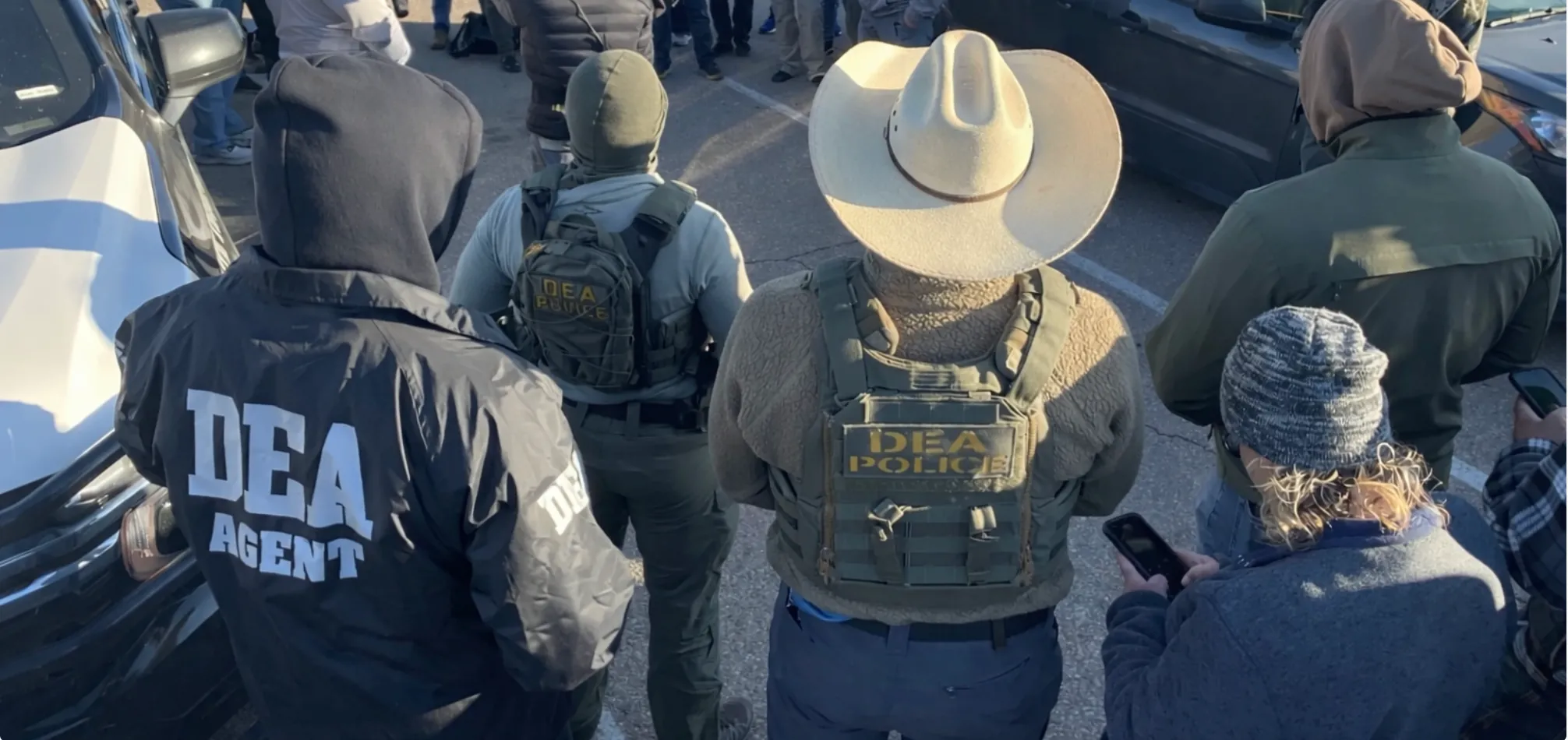
This phrase carries specific weight in DEA PPAEMA compliance. It means that documentation must be accessible quickly and completely during an audit or inspection. Agencies must be able to demonstrate chain-of-custody continuity and inventory accuracy without relying on fragmented or incomplete records. The expectation is not simply that documentation exists, but that it is complete, accurate, and easily accessible. “From the DEA’s perspective, the most important thing isn’t whether an agency made a mistake, it’s whether they can demonstrate a complete chain of custody. If you can’t produce controlled substance records immediately, that’s when a routine inspection becomes a serious problem.” said retired DEA Special Agent Dennis Wichern, in a recent interview with LogRx Founder, Clive Savacool.
Increased Accountability for EMS Agencies
With EMS agencies now recognized as DEA registrants, the responsibility for compliance rests squarely with the agency itself. This means EMS leadership must ensure their organization can demonstrate:
- Full chain-of-custody documentation for all controlled substances
- Accurate and timely inventory tracking
- Complete documentation of administration, waste, and destruction
- Reliable audit-ready reporting
The PPAEMA requirements apply regardless of agency size. Whether managing a handful of vehicles or a large fleet across multiple stations, the expectation is the same: controlled substances must be tracked from acquisition through final disposition. This increased accountability protects both patients and providers. It creates transparency, reduces ambiguity, and ensures controlled substances are handled safely and appropriately. “The new EMS registration rule makes EMS agencies fully accountable for controlled substance tracking, and that changes everything.” said Wichern.
Why Manual Controlled Substance Tracking Creates Risk
Many EMS agencies still rely on paper narcotics logs, spreadsheets, or hybrid documentation systems. While these methods may feel familiar, they introduce inherent risks under the new PPAEMA regulatory framework.
Manual tracking systems rely heavily on human consistency and accuracy. Handwritten entries can be incomplete, illegible, or delayed. Paper records can be lost, damaged, or stored across multiple locations. Spreadsheets may lack audit trails or standardized workflows. These gaps often remain invisible until documentation is needed, such as during an audit, discrepancy investigation, or internal review. At that point, reconstructing chain-of-custody history becomes time-consuming and stressful.
Importantly, most documentation gaps do not arise from misconduct. They arise from the practical challenges of managing complex workflows in fast-paced emergency environments. But regardless of intent, incomplete documentation creates compliance risk.
The new DEA PPAEMA EMS rule makes it more important than ever for agencies to maintain reliable, consistent, and accessible controlled substance records.
DEA Audits and the Importance of Audit-Ready Documentation
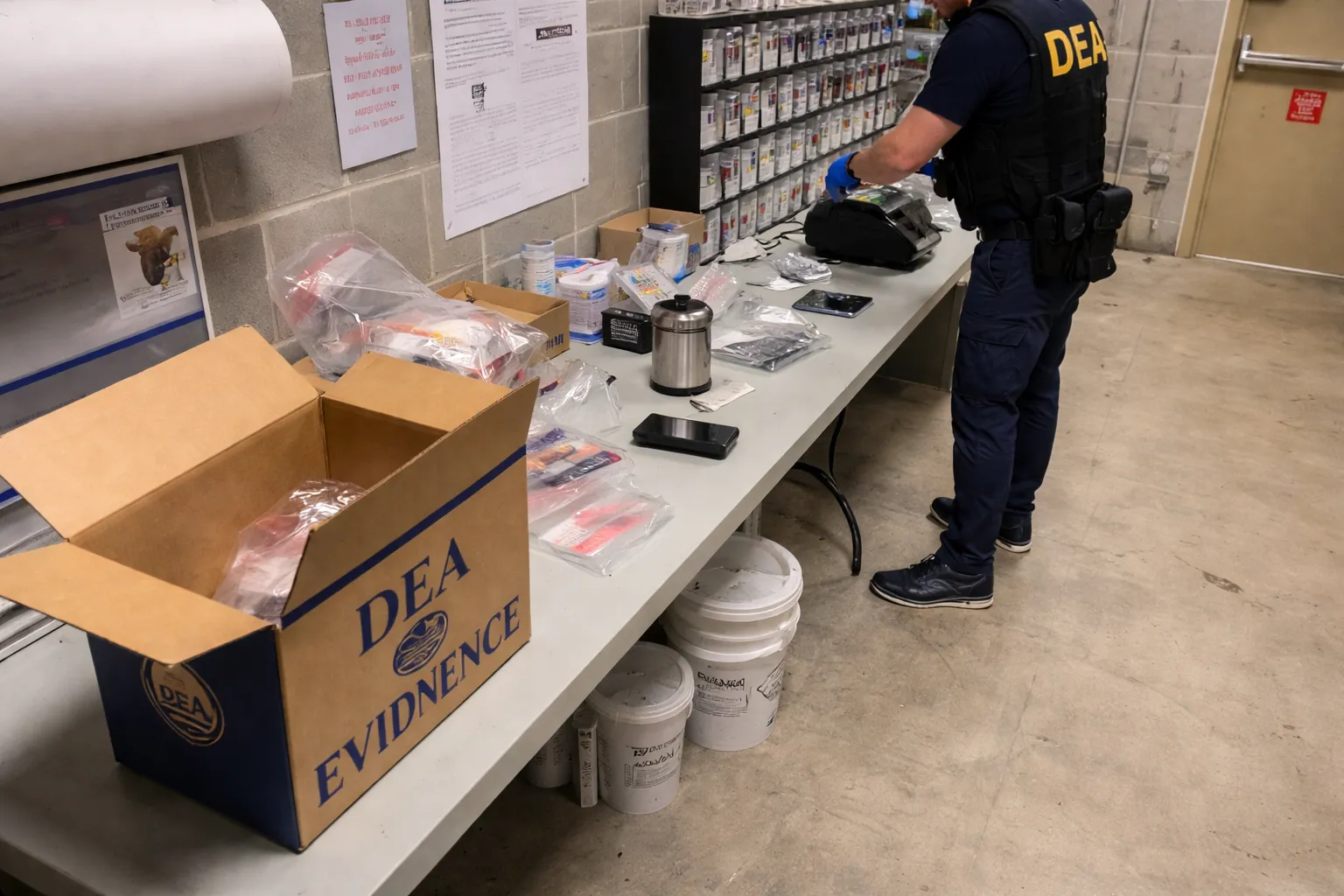
DEA audits are designed to verify compliance with controlled substance regulations. Investigators typically review inventory records, chain-of-custody documentation, acquisition forms, and destruction records.
Agencies that maintain complete, well-organized records can demonstrate compliance efficiently and confidently.
Agencies with fragmented or incomplete documentation often face prolonged reviews, increased administrative burden, and potential compliance findings.
Audit readiness is no longer something agencies prepare for occasionally. Under the new rule, it must be built into daily operations.
Maintaining accurate, continuous documentation protects your agency, your staff, and your license to operate.
The Role of Technology in Modern EMS Controlled Substance Compliance
As regulatory expectations evolve such as the PPAEMA, so must the tools used to meet them. Digital EMS narcotics tracking systems provide a reliable way to maintain complete chain-of-custody documentation while reducing administrative burden. Instead of relying on paper logs or disconnected systems, digital tracking creates a continuous, time-stamped record of controlled substance activity.
This improves:
- Inventory accuracy
- Chain-of-custody visibility
- Audit readiness
- Documentation consistency
- Operational efficiency
When documentation is integrated into daily workflow, compliance becomes a natural byproduct of operations, not an after-the-fact administrative challenge. The reality is that the PPAEMA legislation is actually a good thing, with advocacy from groups like the National Association of Emergency Medical Physicians (NAEMSP) and the American College of Emergency Physicians (ACEP), this legislation cemented the role of EMS in the world of first responders in their ability to carry controlled substances and a wide variety of narcotics. Other organizations, such as the American Ambulance Association (AAA) and other state level associations like the California Ambulance Association (CAA) have positive impacts on EMS providers and their ability to provide services to their communities.
Building a Compliance-Ready Controlled Substance Program
The new DEA PPAEMA EMS registration rule provides an opportunity for agencies to strengthen their controlled substance tracking programs. Compliance readiness begins with clear, consistent documentation processes supported by reliable tracking systems. Agencies should ensure they can quickly produce complete records documenting the acquisition, movement, administration, and destruction of controlled substances. Chain-of-custody continuity must be maintained across shifts, vehicles, and personnel. Leadership visibility is also essential. Administrators must be able to monitor inventory, identify discrepancies, and generate reports without relying on manual reconciliation. After all, your staff is only going to take something as serious as you do!
By strengthening documentation systems now, agencies can meet regulatory requirements confidently and avoid compliance risks. Risks that exist regardless of the PPAEMA rules.
How LogRx Supports Compliance Under the New DEA PPAEMA Legislation
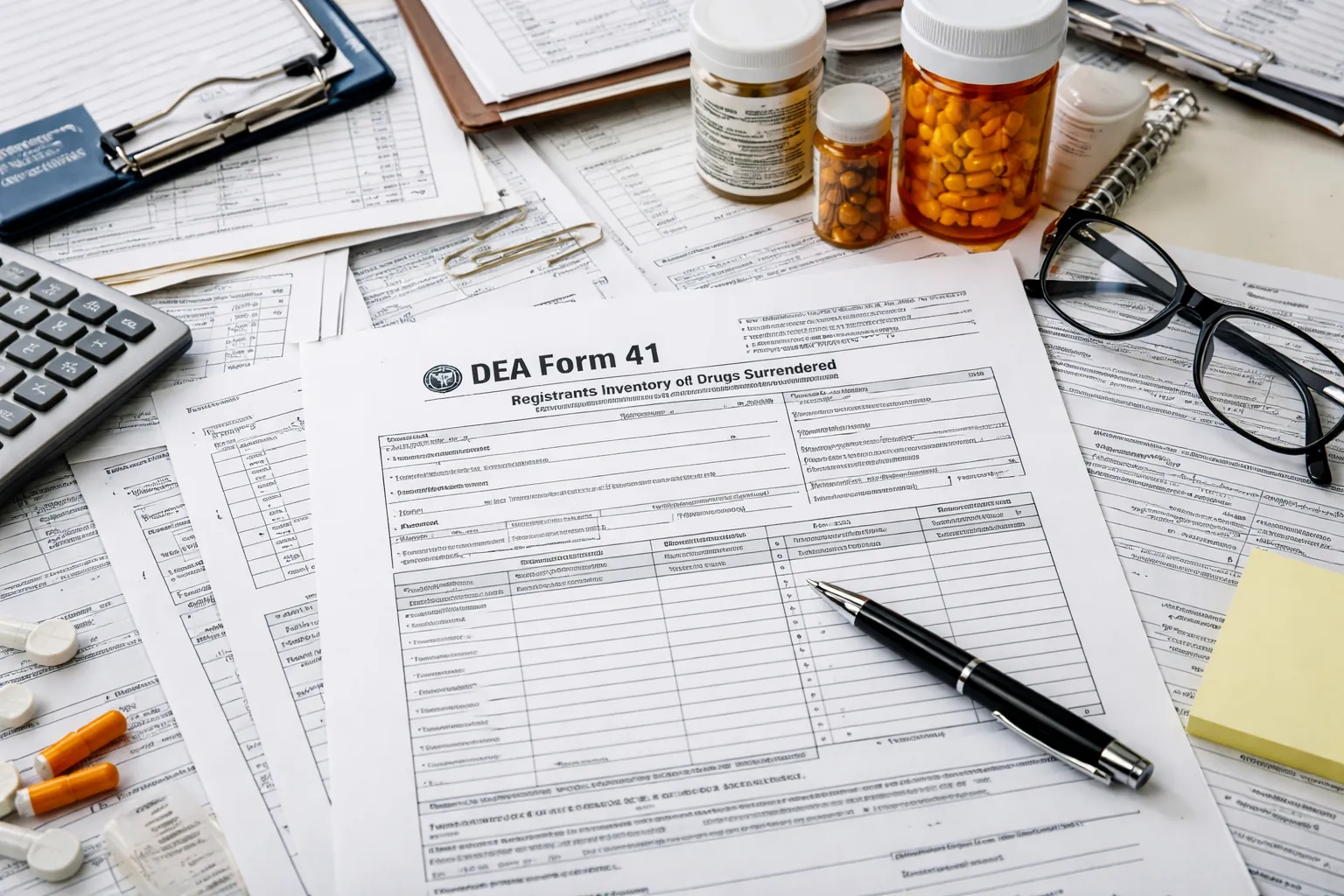
LogRx helps EMS agencies meet the documentation, tracking, and reporting requirements established under the new PPAEMA legislation. LogRx helps make all your paperwork easier. Forms like the DEA 222 acquisition form are easier to manage when accurate inventory data is already available in a simple, user-friendly report. As well as the DEA 41 form, so controlled substances are tracked from cradle to grave.
LogRx stores images and helps you track inventory in a compliance-friendly way. You get end-to-end documentation continuity for the life of all controlled substances that you and your team may need to handle on the job.
When your inventory is tracked, and reports are easy to generate, you can quickly see what you have on hand. You can be proactive about ordering and inventory management. The data provided in the LogRx administrative dashboard gives you all the details you need to identify trends, monitor usage, and tell the story of each controlled substance in your organization's purview.
One of the best features of LogRx is that it works directly from your team’s handheld devices, while they’re on the go. With a simple snap from their phone or tablet, they can scan in medication and log use fast, even while they’re on the go.
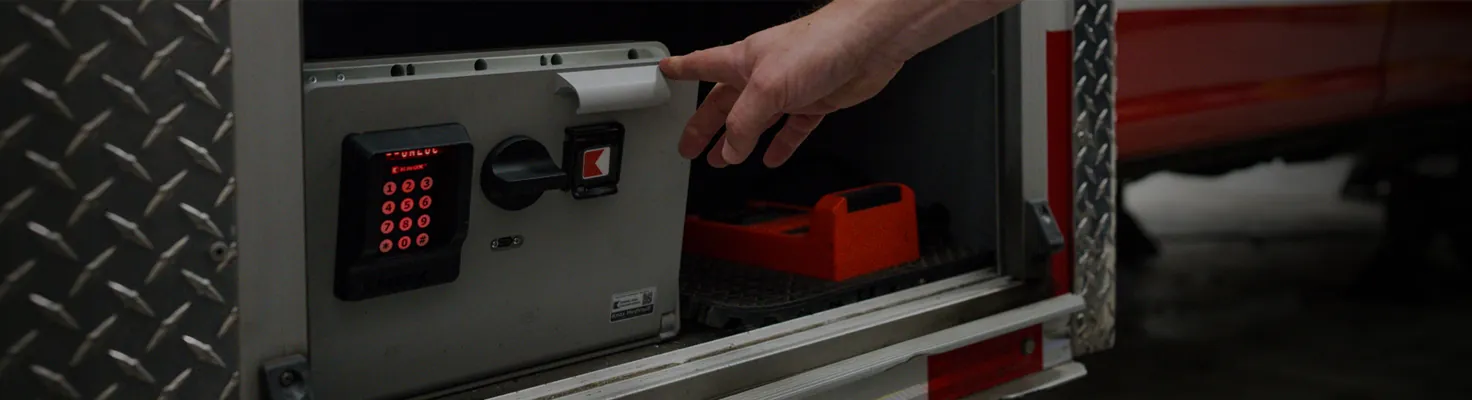
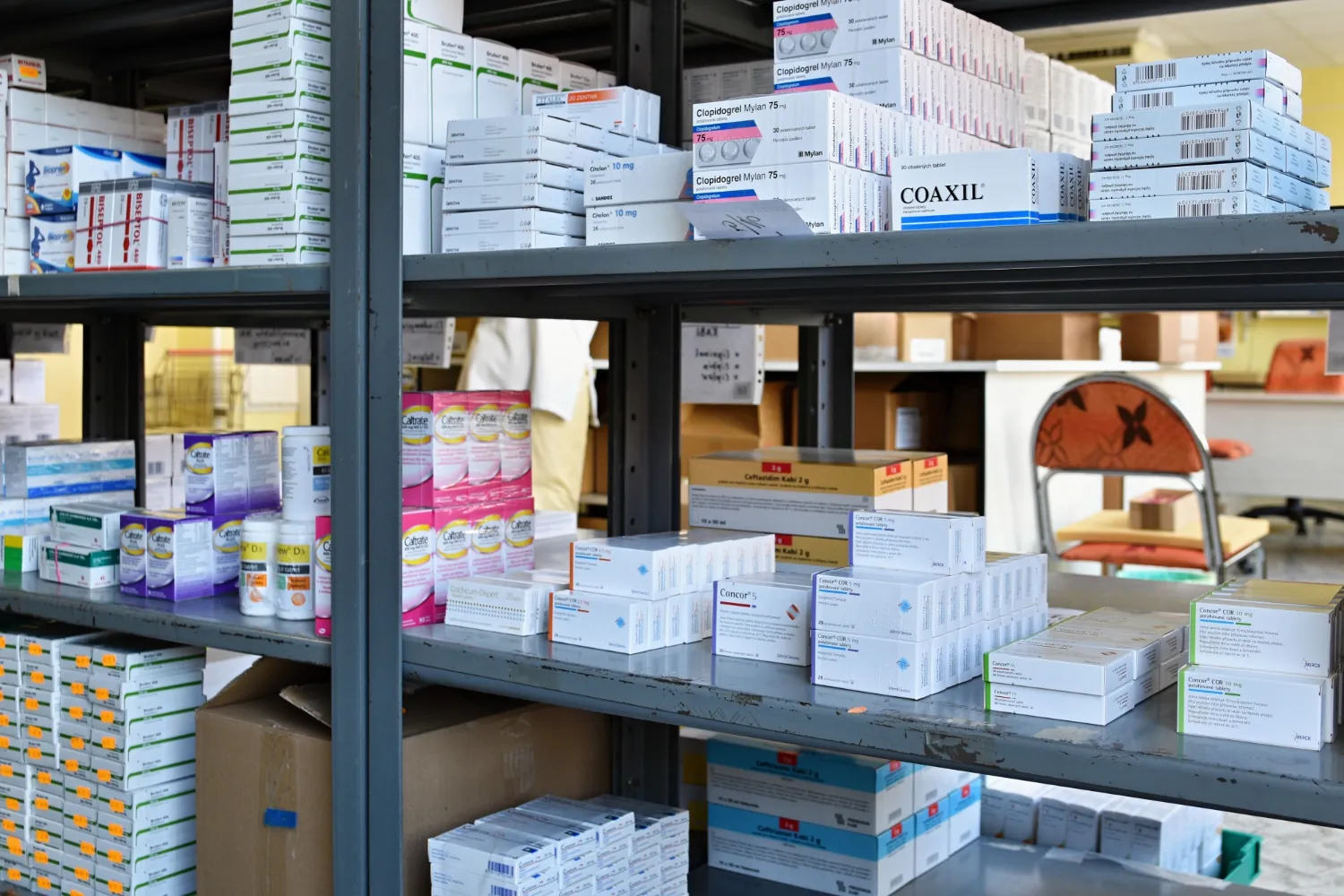
It isn’t just digital tracking that helps with maintaining compliance. Having secure locations is also critical with the narcotics chain of custody. This is why LogRx integrates seamlessly with the Knox Company’s MedVault and Knox StationVault. Providing an all-encompassing solution.
“From a DEA compliance standpoint, controlled substances must be securely stored and accounted for at all times. It’s not enough to know that the medication is somewhere in your system, you must be able to demonstrate exactly where it was stored, who had access to it, and maintain continuous accountability from the moment it was received until it’s administered or destroyed.” - Dennis Wichern, Retired DEA Special Agent
LogRx works out of range, too. Should your team lose cell service while in the field, they can still track, and the information will be updated automatically when they come in range. Real-time tracking is crucial for accuracy and simplicity. It saves the “what happened” scramble at the end of the day.
Compliance with controlled substance reporting rules may not be the most exciting thing on your administrative to-do list, but it protects your team and helps ensure you have exactly what you need on hand when your patients need it.
To see how seamlessly LogRx works with the DEA 222 and 41 forms, as well as all your other compliance needs, reach out. We can demonstrate the process and show you what a difference that LogRx can make for your team. Make drug destruction reporting simple and fast with LogRx.
Note: This article is for informational purposes and does not constitute legal advice. Always follow DEA requirements and your agency’s policies when handling and destroying controlled substances.






















.webp?t=1778708196166)