Why Fire Departments Should Digitize Their Controlled Substance Workflows

These days, many fire departments face pressure to do more with less. There are staffing challenges, increasing call volumes, lowered budgets, and expanding regulatory requirements that all add up to higher demand and lower capacity. Operational efficiency matters, and one area to better shore up strained resources is controlled substance tracking.
- Manual-controlled substance tracking leads to risk, administrative overwhelm, and unplanned delays for fire departments.
- Fire departments that use digital tracking systems often see big gains in accountability, readiness, and compliance.
- Digital drug logs reduce errors and speed up audit preparation without adding complexity for your crew.
- LogRx aligns the practical realities of fire and EMS response with the demands of regulatory compliance.
The Growing Complexity of Drug Management in Fire Departments
Key Takeaways:
Many fire departments rely on paper-based drug logs and older systems to manage narcotics, because in the past, controlled substance administration hasn’t been prominent in the purview of fire department tasks.
Today, fire departments are finding themselves managing controlled substances more and more, especially in rural areas with limited first responders. But older tracking methods add extra work and put another job on your team’s to-do list.
Digital controlled substance tracking tools were once considered “advanced tools.” Leadership often saw them as a “nice to have” compliance upgrade. But more and more, digital tracking software is becoming an indispensable operational tool.
The bar for fire departments has risen over the past decade. Departments now face greater scrutiny, tighter regulations, and higher expectations for accountability and chain of custody. Drugs have become more complex, and with that complexity comes an increased risk of diversion and simple errors, with big consequences.
If your department manages controlled substances across different apparatus, stations, and shifts, you’re going to see discrepancies. Each handoff introduces an opportunity for error, especially when documentation relies on handwritten logs, manual counts, and disconnected records. An Excel sheet here and a logbook there can mean that reporting and accountability are an ordeal—and if you get it wrong, you’re increasing risk and liability for your team.
Small documentation gaps can lead to time-consuming investigations, audit findings, or compliance concerns. Even simply putting the puzzle pieces together to create a report can be a significant administrative burden, diverting attention from frontline operations and patient care.
Why Manual Drug Tracking No Longer Works
Paper-based and pieced-together digital systems used to be the best solution…but that was a different time. In today’s high-tempo environments, these systems often struggle to keep up.
Part of the issue is that manual workflows are inherently susceptible to inconsistencies. Handwriting is easy to misread. Entries are easy to skip. Paper logs can get misplaced or damaged—paper itself is fragile. Many of these issues don’t come to light until a discrepancy causes disruption, such as during an audit or a shift change.
When these issues come up, the response is rarely quick or simple. It requires time from supervisors and crew members. Unraveling and putting the details back together takes hours and even days, and units can even be held out of service during that window. That’s when a documentation issue becomes an operational disaster.
Of course, there are ways to prevent the disaster from ever happening. Digitizing controlled substance tracking is one of the fastest and most efficient ways to bring clarity and consistency to a fragmented process.
Digital narcotics and controlled substance logs give everyone visibility into inventory status, usage, and chain of custody across the entire department. More importantly, it doesn’t rely on memory, paper, or human perfection. There’s a clear, tracked answer to whether and when certain medications were stocked and documented, and whether they’re ready for use. The visibility of the process helps cut out any guesswork, especially when drug tracking needs to be a certainty.
When you have a reliable system set up for tracking controlled substances, you can clear units quickly and get them back to service. Over time, that efficiency improves response readiness and coverage when you need it most.
Shift changes tend to be one common friction point where workflows tend to break down. Manual counts and incomplete logs create frustration among crew and leadership. Shift change confusion injects uncertainty into a situation where confidence is crucial for a complete handoff.
Digital tracking tools like LogRx streamline the process by standardizing documentation and automating the verification process. Instead of performing lengthy manual checks, crews can quickly confirm the status of the drugs they need to dispense and move on with their day.
Regulatory Compliance Without the Administrative Burden
For administrative leaders, LogRx streamlines reporting and helps ensure your unit remains compliant and up to date.
Regulatory compliance with controlled substances is an unavoidable requirement of all emergency responses. But departments’ approach to compliance varies widely. It can either support operations or hinder them.
Traditional compliance reporting often involves reactive audits, manual report generation, and last-minute scrambles to gather documentation. These efforts eat up valuable time and divert needed resources from training and response (not to mention all those other administrative duties you handle).
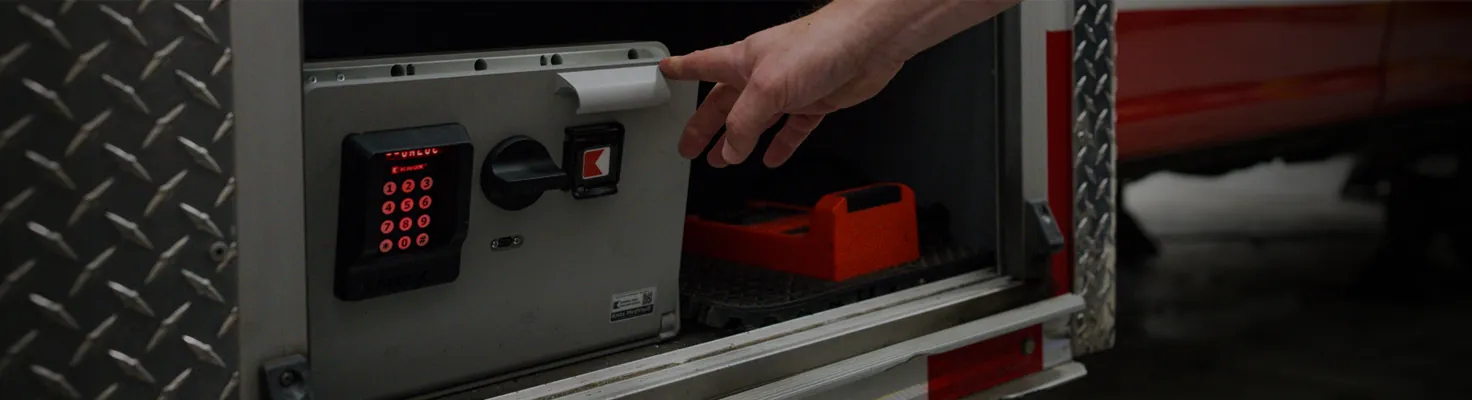
LogRx is designed to make compliance proactive rather than reactive. Records are automated. Access control is secure. Audit-ready reporting helps ensure your department is prepared and doesn’t require extra time and effort when an issue arises.
Importantly, LogRx also reduces your department’s risk. Controlled substance discrepancies don’t just mean paperwork headaches. They can cause real legal and reputational risks for fire departments. Fines and damage to your reputation are highly possible, should reporting go wrong.
Poor documentation can result in negative audit findings and further investigations—even when there’s been no wrongdoing. A lack of clarity calls even good-faith acts into question, whereas digital workflows cut back the risk with clear, time-stamped records that are easy to report and difficult to dispute.
Transparency protects your department and the individual firefighters on your team. It builds trust with regulators, stakeholders, and the community at large because it demonstrates a commitment to accountability.
For fire chiefs, EMS officers, and other compliance leaders, digital drug tracking also provides fast, actionable insights that manual systems simply can’t. Real-time dashboards and automated reports help you quickly spot trends or find gaps in reporting. You can allocate resources more effectively and take proactive steps to address problems long before they escalate.
The extra visibility helps leadership make better decisions and reinforces confidence in departmental operations. Protect everyone with more visibility and organized, simple reporting options.
LogRx was Designed for Fire and EMS Operations
Many drug-tracking systems were developed for hospitals, private practices, or pharmacies. Few solutions truly work with the realities of fire department and other emergency operations.
Fire departments are built for mobility and need systems that can account for the mobile units, fluctuating call volumes, and overlapping responsibilities between fire and EMS. Digital narcotics tracking needs to be intuitive, fast, and reliable under any type of pressure.
LogRx is designed specifically for fire and EMS to meet your department's needs. It was built by first responders for first responders, and it aligns with the way your crew actually works. This isn’t a generic medical tracking system—it’s made for reality.
We often hear that crews are concerned that digitization adds extra steps, training, gear, and time. It can slow crews down. But when systems are designed correctly for first responders, the opposite is actually true.
Digital drug tracking workflows cut back on duplication, redundant documentation, and follow-up corrections. Crews spend less time on paperwork and more time focused on the job at hand.
Accountability doesn’t require doing more; instead, it requires improving the consistency and efficiency of operations.
Many fire departments have put off digitizing their workflows because of cost, complexity, and uncertainty, but today those barriers are much lower. The risks of staying manual are much higher than opting out.
As call volumes increase and regulatory expectations continue to rise, departments need systems that can scale with their evolution. Digital narcotics tracking provides that foundation to keep operations sustainable into the future.
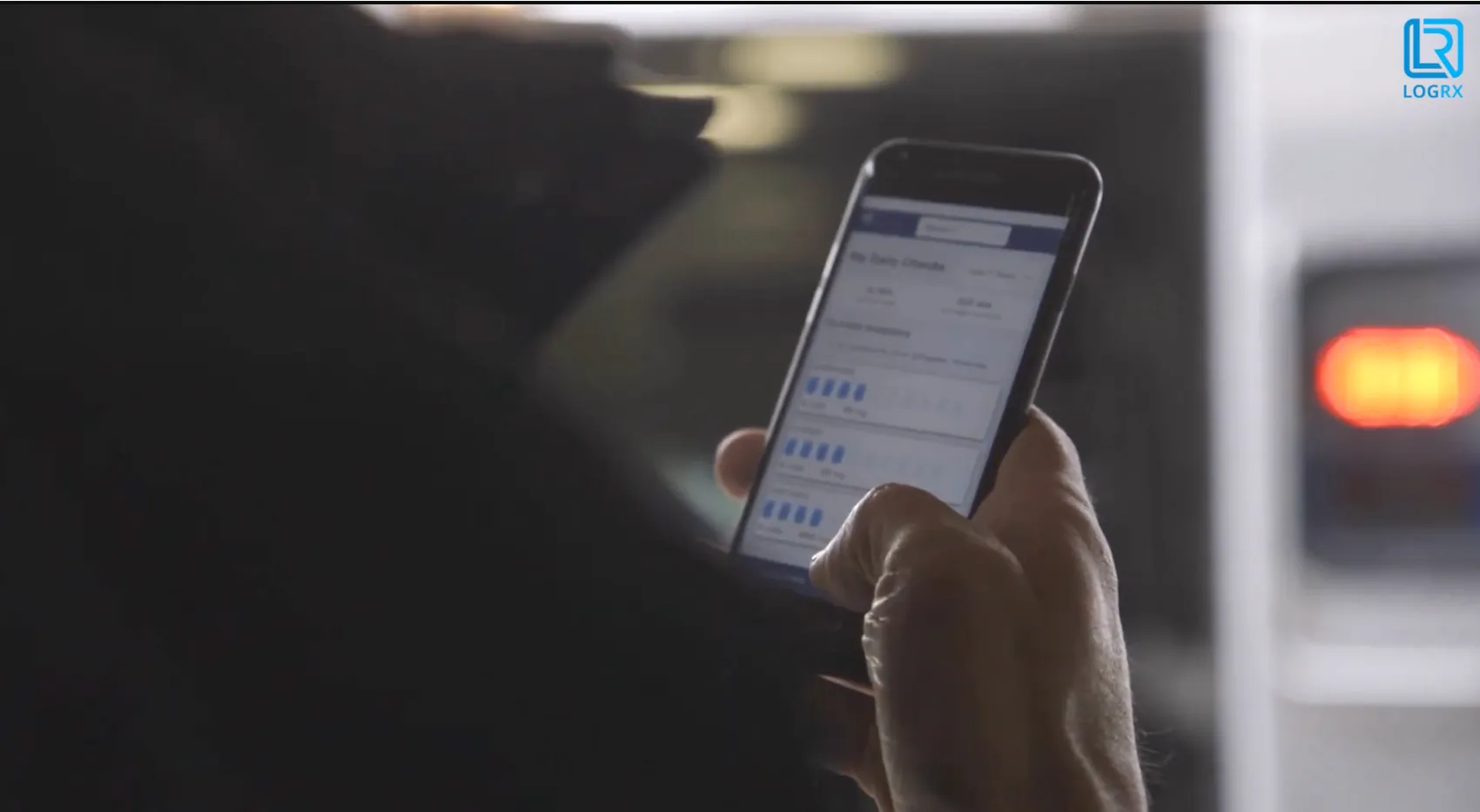
LogRx is mobile and user-friendly. It works on your team’s handheld devices, with a simple, easy-to-learn interface. There’s no extra hardware required, and no high learning curve. Your crew scans the medication label with their phone and logs it in the system.
Digital tracking prevents diversion and mistakes. It also lets administrators access reports and control inventory with ease. Automated documentation and audit-ready reporting take the hassle out of compliance.
LogRx is designed for frontline use. Even if your team member is out of range or responding to a situation where they don’t have cell service, LogRx automatically holds the data and uploads it as soon as they return to range. Real-time updates keep everyone on the same page.
Help your department stay ready and reduce unnecessary friction in day-to-day operations. By moving to digital tracking with LogRx, you’ll gain efficiency, clarity, and confidence across every shift.
Reach out today to learn how LogRx can support your fire department. Get clear inventory and controlled substance tracking to keep you prepared for every call.





















.webp?t=1782417817318)