Best Practices for Tracking Temperature-Sensitive Medications in EMS

Published: January 23, 2026

EMS

/assets/optimized/ems-background.webp

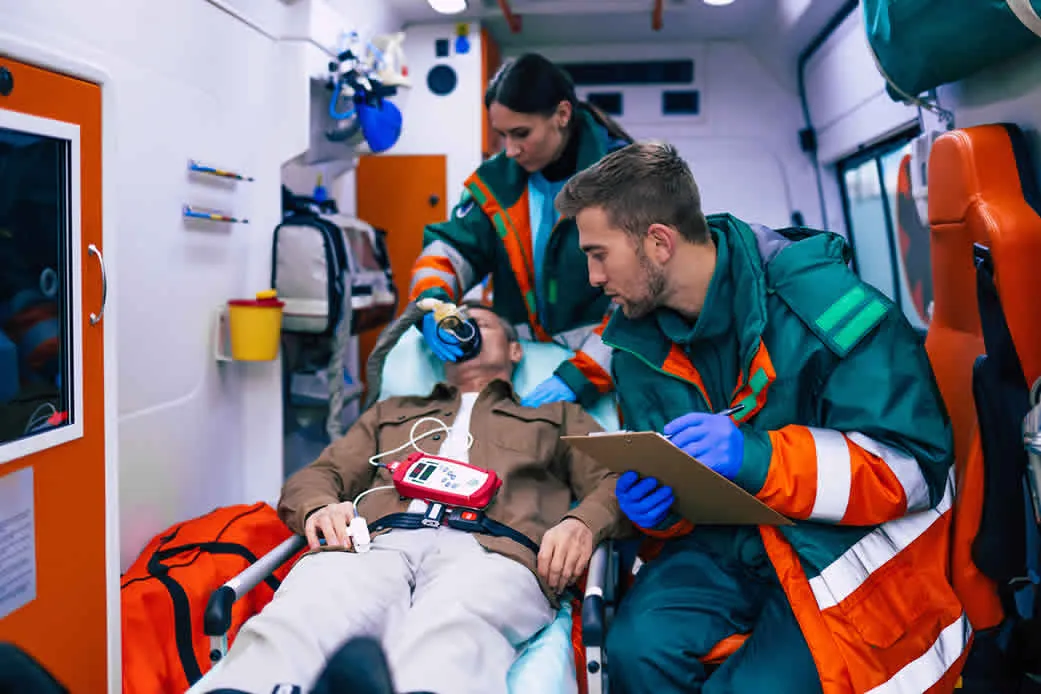
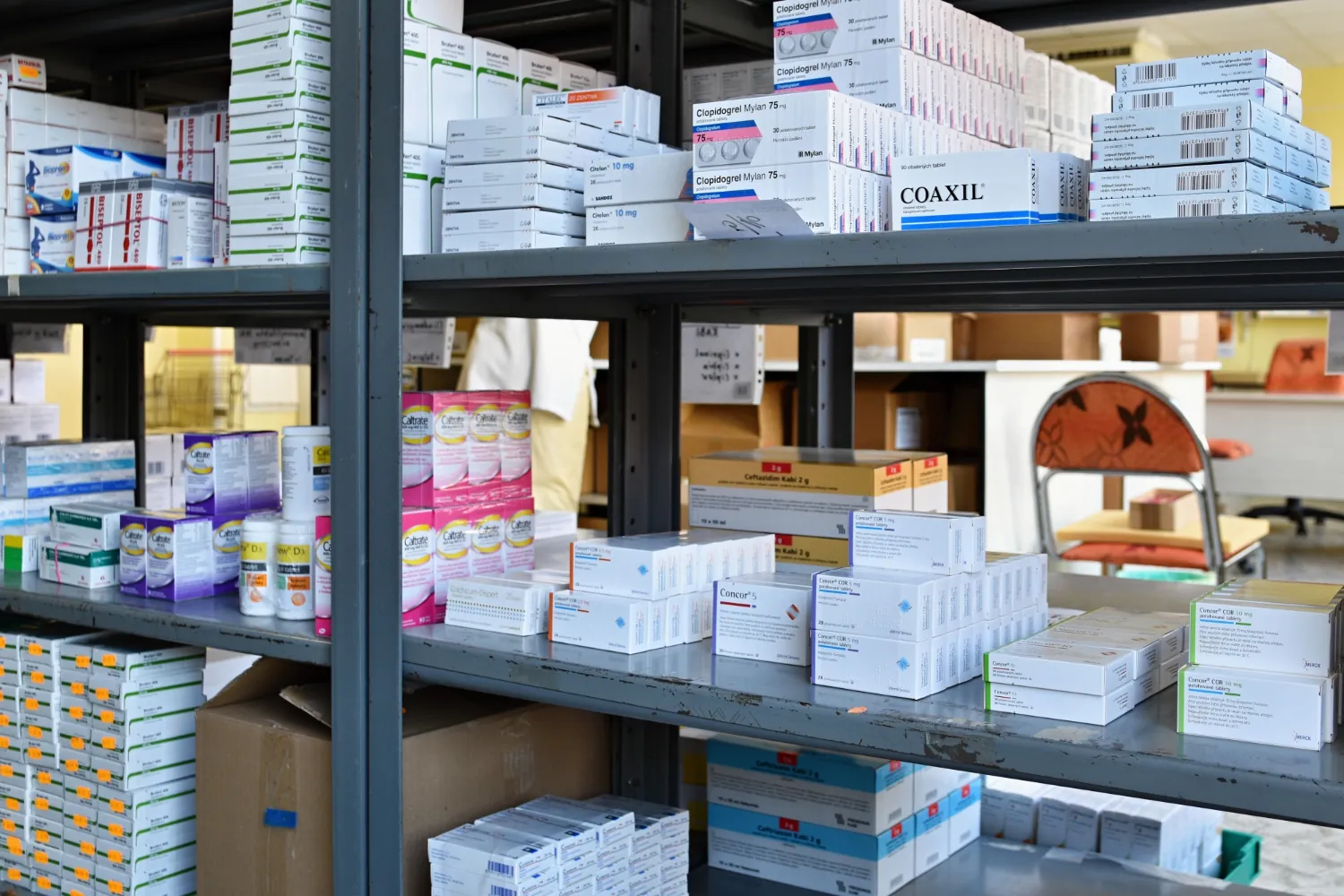
A surprising number of prehospital treatment protocols call for temperature-sensitive medications. Cardiac arrest, allergic reactions, pain control, sepsis response, whole blood deployment, and many other responses require medication that’s safely and carefully stored.

So, how do you keep track of that medication and make sure it stays within the temperature window at all times, especially in a hot ambulance compartment? Here’s what you need to know about tracking the medication cold chain to ensure your patients stay safe.

Why Temperature Tracking Matters in Prehospital Medicine

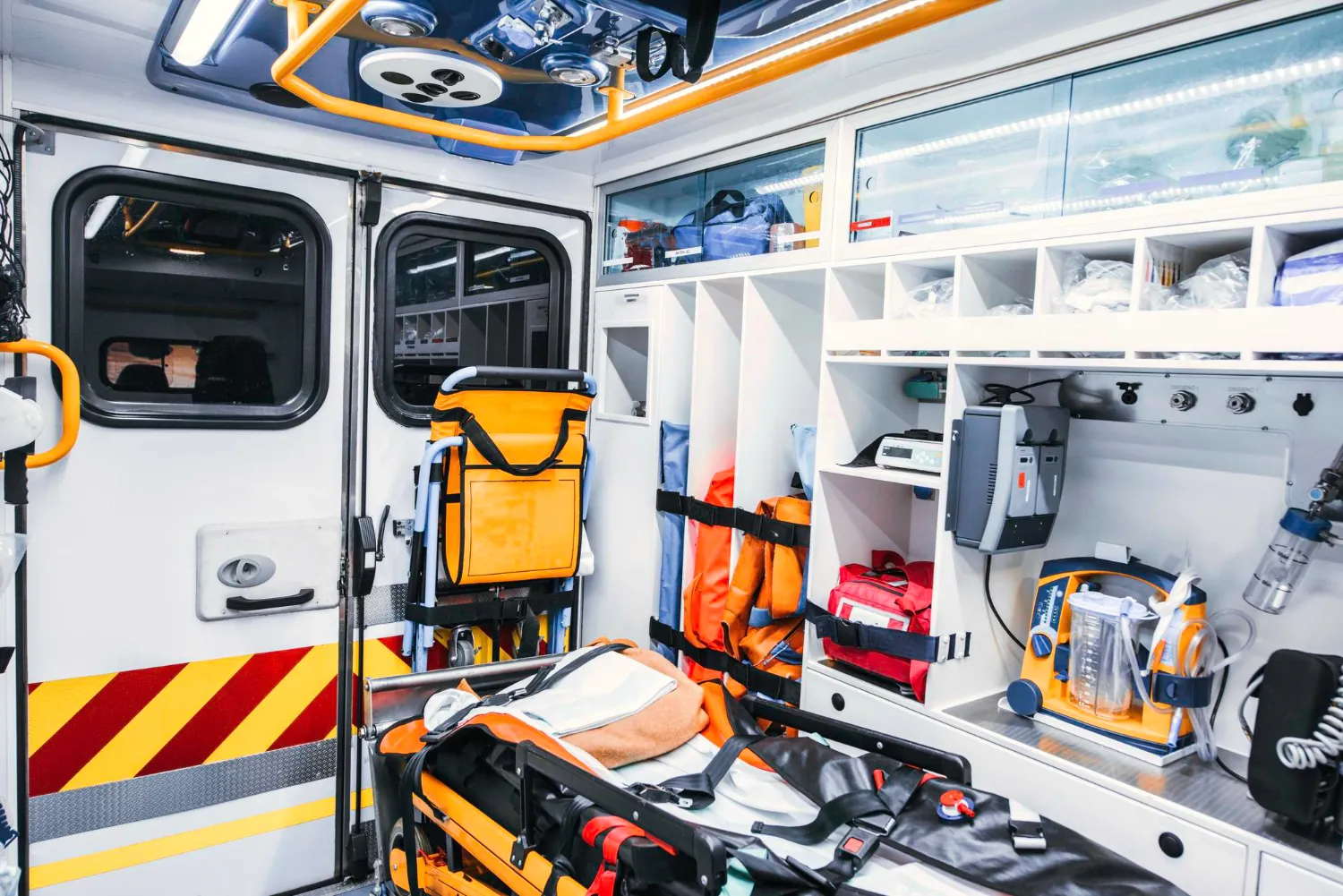
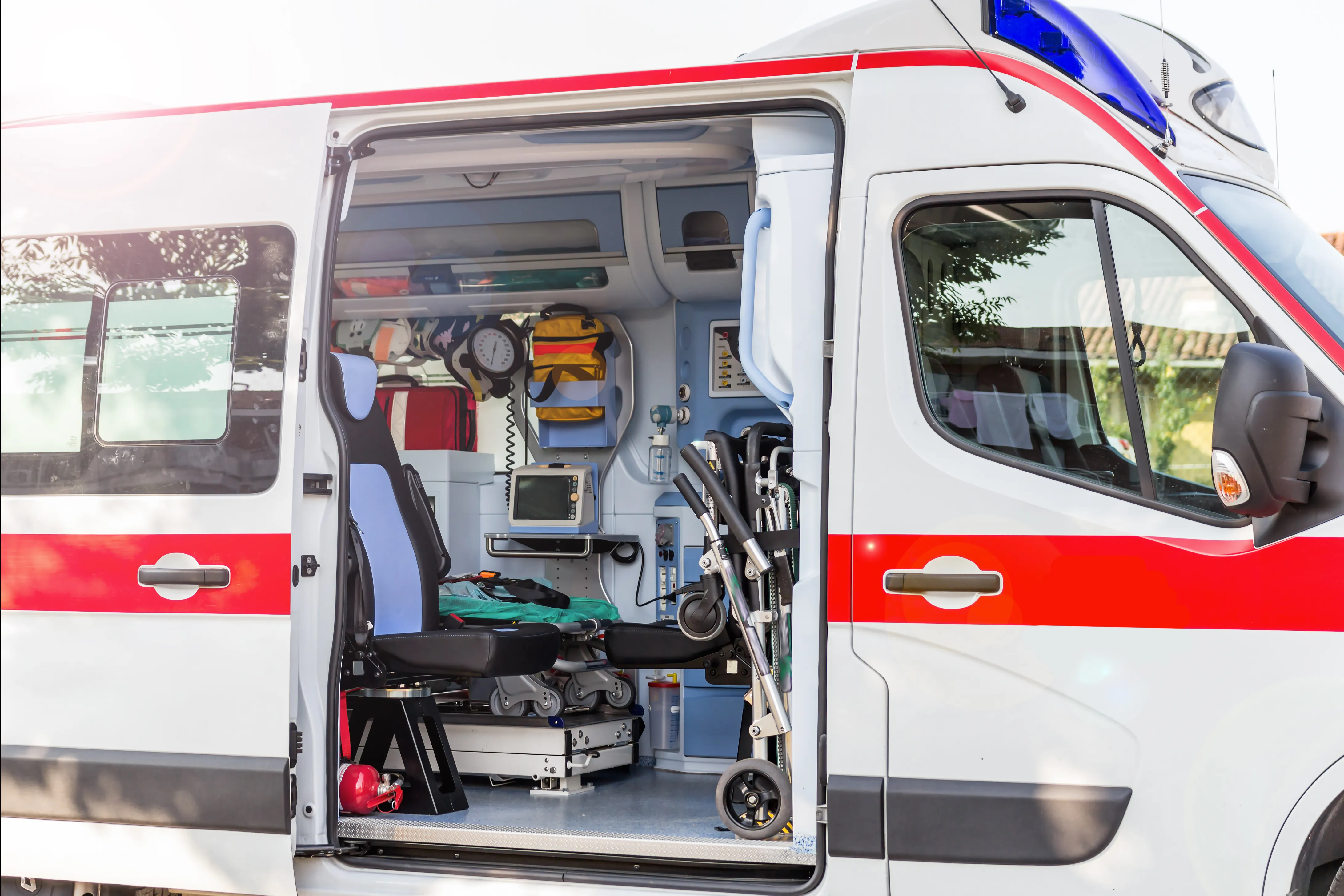
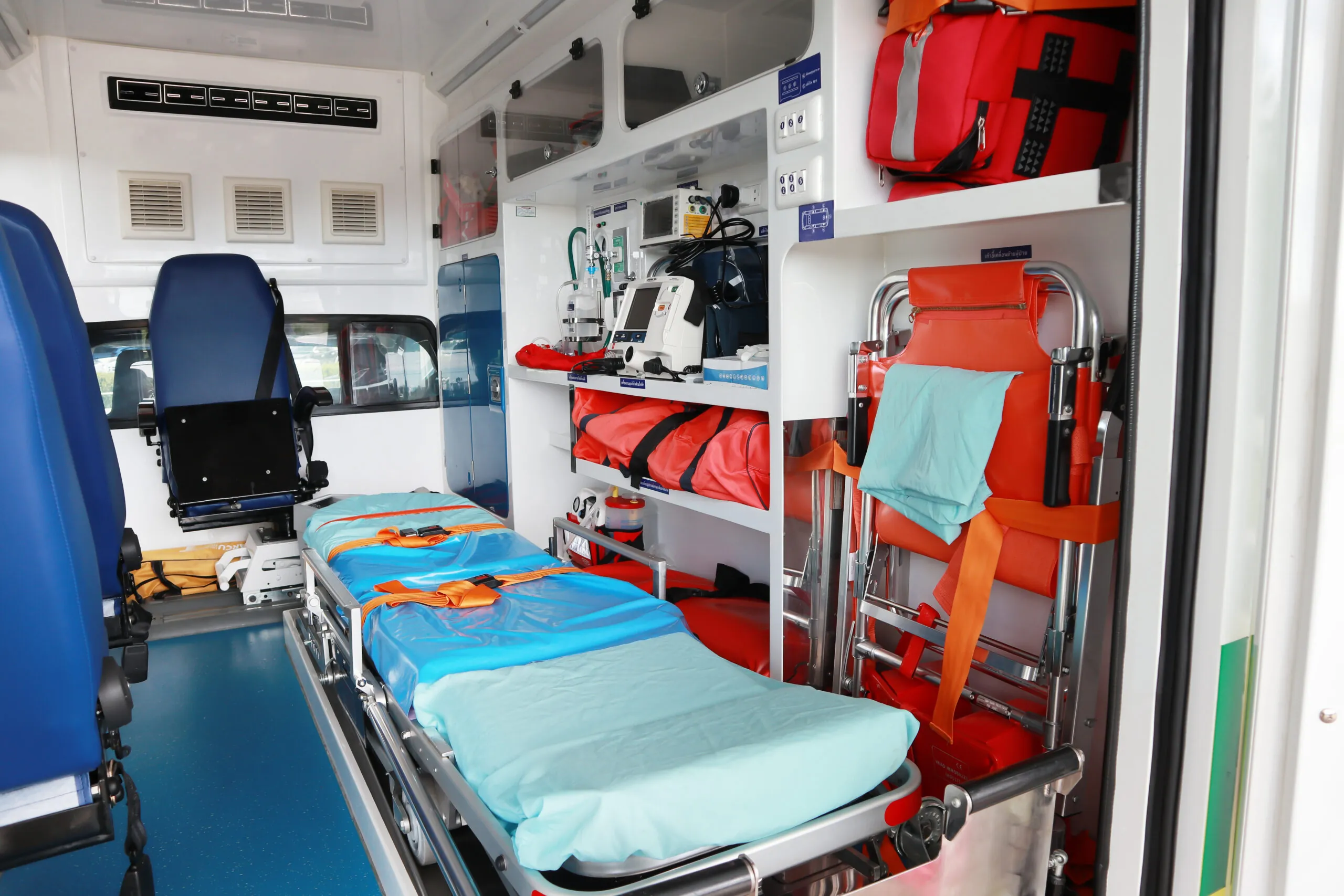
EMS providers respond in the real world. Unlike hospital pharmacies with controlled storage environments, EMS workers face extreme weather, long transport times, overnight truck staging, and fluctuating temperatures in engine bays (not to mention all the other variables that can factor into an emergency).

All of these aspects contribute to medication storage that’s rarely ideal. But every dose of medication you administer in the field must be at the highest standard of strength, quality, and purity as it had when it left the manufacturer. Breaking the cold chain means that medications degrade, lose potency, and separate. Temperature changes can also cause preservatives to break down.

Medication viability has a set time frame—a temperature window—where it is safe. There’s no room for error. A vial left in a hot compartment for a few hours can go from offering life-saving efficacy to compromised performance. What’s more, it can be hard to know when that window has been exceeded.

Even knowing that a medication has gone outside the cold chain is only half the battle. Once you know it’s been exposed, you’ll need to waste and discard the medication, which adds to inventory costs and limits your team's access.

A better approach is to carefully track the chain of custody throughout the entire life of the controlled substance. Careful tracking helps you anticipate common failure points and meet all recommended storage guidelines.

A medication that’s become ineffective due to temperature exposure is equivalent to no treatment at all. When medication degrades, it can also cause unpredictable results and even adverse reactions.

Wasted medication increases your spending in an environment that’s already highly budget-constrained. Should something go wrong with the medication, the cost can be even higher. Lost temperature data is essentially indefensible in quality reviews and litigation. Your tracking and documentation protect your team and your patients.

Understanding Temperature-Sensitive Drug Storage Requirements

Now, not all temperature-sensitive medications have the same guidelines and restrictions, and not all temperature-sensitive medications even require cold storage. Some medications require refrigeration (2–8°C / 36–46°F), while others may require controlled room temperatures (20–25°C / 68–77°F). Some medications can handle short windows within labeled ranges, and others are rendered immediately unusable.

Your EMS agency needs to have clear records of all manufacturer storage ranges for each medication. These records should be easy to access and known to all personnel who handle the drugs. Guidelines should indicate any allowable excursion windows by duration and temperature, as well as the shelf-life of the substance once it’s been moved out of refrigeration.

In the manufacturer’s information, you’ll find guidelines for beyond-use dating and post-warm use storage. You’ll also learn about light sensitivity and other handling notes. The guidelines should outline disposal rules and information for medication that’s been exposed beyond the limits.

While some of these manufacturers’ guidelines can seem like “pharmacy language,” it’s important that your crew knows all the rules. It’s part of operational direction, and it can help them make the right choice when they’re under pressure.

EMS agencies should have a secure and standardized medication policy that’s written with the realities of EMS in mind. Temperature logging procedures should be documented for all stations and units, and steps should be defined for the moments when excursions occur.

Clear labeling on kits, drug bags, and fridges is essential to the process. Drug storage guidelines must be simple, visible, and enforceable (not in a PDF in a drawer that no one reads).

Historically, many EMS agencies have relied on paper or manual tracking to keep a handle on temperature. While it might seem convenient in the moment, the truth is that there are many problems with paper tracking. Clipboards get wet, sticky notes get lost, and pens stop working. Every shift change introduces more variability.

Plus, a medic who’s running three back-to-back emergency calls doesn’t have the time to stop, find, decipher, and fill out a log sheet. Even if they care, reality can move too fast to keep up. Manual systems lead to inconsistent documentation, illegible entries, skipped temperature checks, and delayed data review to catch it all. Paper doesn’t alert you when medications drift out of range.

If your refrigeration system fails at 3 AM but doesn’t get noticed until 7 AM, everything in the system is likely compromised. Without digital tracking, your information is limited to whatever was written down, assuming it was written down at all—that’s too ambiguous for something so important.

Establishing a Strong EMS Cold Chain Workflow

Reliable medication management plans are built around predictable processes. There should be standard stopgap rules for the process. That means controlled storage at every step, continuous monitoring, and timestamped excursions. Med kits need to be treated like perishables, not like general equipment.

In an environment where everything is based on preparedness, it’s tempting to bring refrigerated meds to “ride along just in case.” But those meds that must travel need to be carefully stored in validated coolers and temperature-controlled environments for the entire duration.

When a medication is exposed to temperatures above the limit, it should be documented. The information needs to include what happened, how long it lasted, which range was exceeded, who handled it, and the final disposition (return to stock, discard, replace).

Inventory should be very carefully monitored. Restock first-expiring meds, then rotate inventory. Double-check the seals and verify temperatures before loading it into rigs. Digital tracking makes these jobs infinitely easier. It also increases compliance by creating built-in accountability. You catch mistakes before they happen, while they’re still preventable.

Environmental Challenges Unique to EMS

In EMS, temperature compliance is a significant challenge. The realities of field work don’t offer consistent temperatures or environments. Units might be staged outside in freezing conditions or face summer temperatures exceeding 120°F. If units are on standby or have long travel, storage must be prioritized and confirmed.

Then there are the unplanned factors like power loss during a storm. Even delays during transfer-of-care or in rural settings can take medication out of the safe zone if you don’t have flexible, mobile cold chain options like temperature-controlled bags, insulated containers, and data logging protocols to capture real-time stats.

We all know how it is to go into a shift with guesswork. No one should walk into their day wondering what happened to a medication before their shift. Clarity saves time, and that time can help you save lives.

Additionally, the truth is that medication loss is very expensive, especially when it comes to high-value drugs and refrigerated products that have a limited shelf life. Without the right tracking, your agency may discard meds as a safety precaution, when it’s really preventable waste.

By documenting meds properly, you’ll reduce unverified discarding due to missed documentation. You’ll rotate inventory more efficiently and be more aware of storage locations and processes that are prone to temperature drift.

Documentation also helps you forecast your purchasing needs by allowing you to compare actual usage data to inform your decisions. The result goes beyond safer meds and gives you more budgetary control and better readiness for calls.

What Good Temperature-Sensitive Med Tracking Looks Like

So, what does good documentation look like? While the exact standards and protocols will vary by organization, state, and federal guidelines, there are universal standards for quality tracking.

In an audit, it’s not about what you think happened; it’s about showing the proof. Strong documentation backs you up with clear temperature tracking and chain of custody visibility. Tracking can be drilled down to the lot numbers and expiration dates of each vial kit or box, so it’s easy to identify any anomalies.

Another strength of having a tracking system is that you’re aware and alert when something goes out of range or when inventory is running low. With LogRx, you can check replacement notifications for shortages and expirations to make sure your crew is never without the medications they need.

Digital tracking has become the standard in EMS, though many agencies still rely on manual logs. Digital medication management platforms like LogRx make it easy to transition to an improved system.

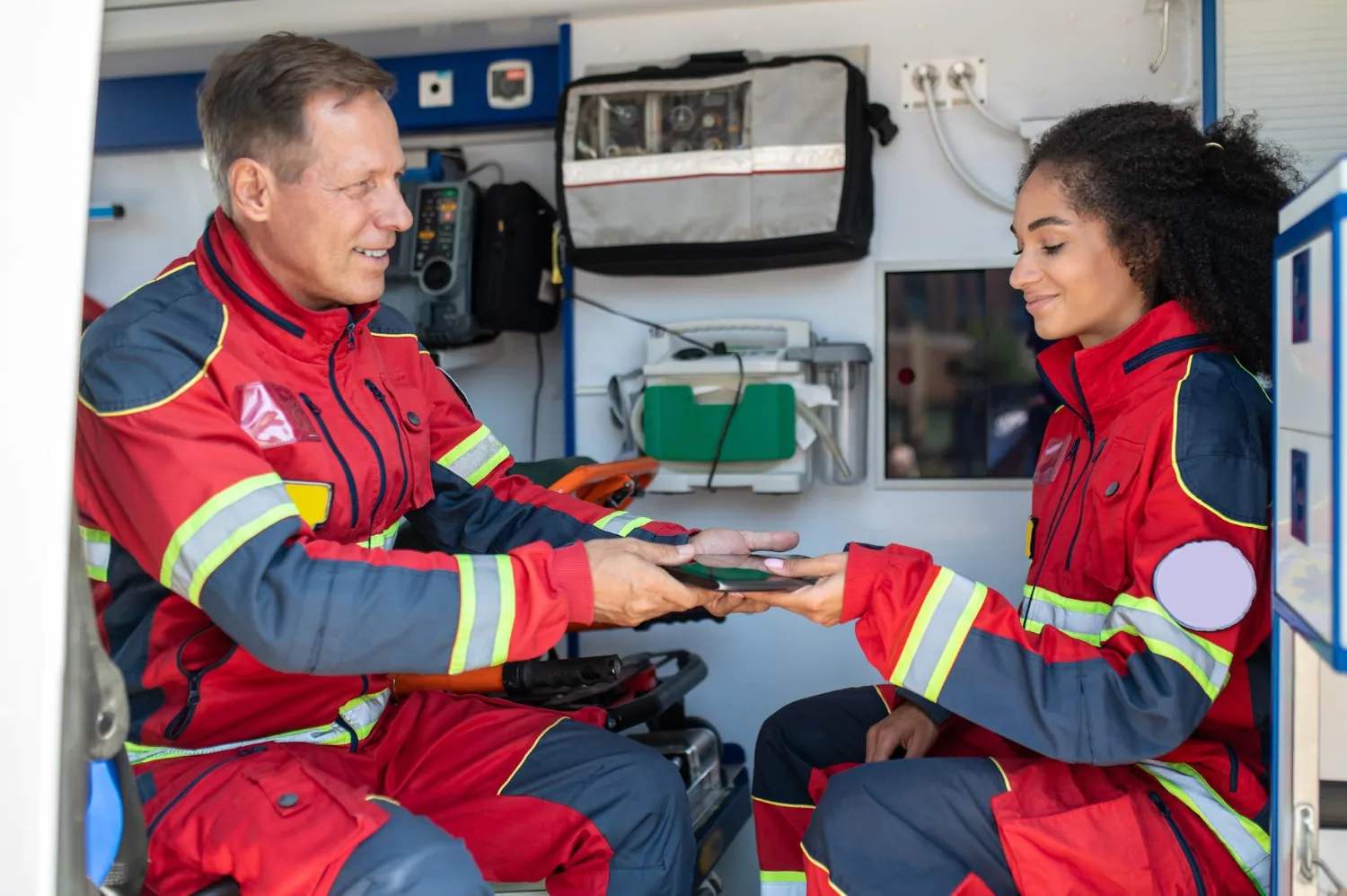
With LogRx, you get barcoded medication tracking and mobile app access for field crews, right from their handheld device. With a quick scan, they can document where and when the medication is being used, and the path of any vial can easily be retraced.

LogRx also offers real-time temperature monitoring. We pair our tracking module with a wireless temperature sensor. That means any time your meds drift out of the safe temperature zone, your crew will get notice.

While our temperature monitoring technology is in beta testing right now, we will be opening it up to all users in the near future. The temperature tracking feature will integrate with existing LogRx modules, so you can be in the know, no matter where you are.

For administrators, LogRx keeps you audit-ready and risks that can arise from gaps in tracking. There’s no recreating the past; you’ll have historical audit trails to help you keep a handle on everything right from the administrative dashboard.

Higher-accuracy tracking is particularly valuable for temperature-sensitive medications such as epinephrine, calcium, and insulin, as well as other treatments that can degrade rapidly with temperature fluctuations. With a digitized process, you streamline and simplify a job that could take hours or days to organize on paper.

Protecting your EMS cold chain requires visibility and accountability. When your documentation stands up to scrutiny, your waste decreases, your audit stress is lowered, and crews feel protected. Most importantly, patients receive the true therapeutic treatments that they need in emergencies.

If you’re ready to move your crew forward with accurate, user-friendly medication tracking, reach out to LogRx today. We’re happy to demonstrate how proper tracking can be a game-changer for your organization.
You may also like

Basic EMT Trauma Assessment Scenarios: Gearing Up for Certification

Basic EMT Trauma Assessment Scenarios: Gearing Up for Certification

by logrx-admin | Dec 16, 2024 | EMS, Fire

If you're considering a career as an EMT, you likely know that there's an EMT certification requirement. Should you take your career to the next level and become a paramedic, there's additional licens...

read more
EMS Rig Checks: Best Practices for Rig Checks

EMS Rig Checks: Best Practices for Rig Checks

by logrx-admin | Feb 7, 2023 | EMS

In EMS, rig checks are one of the most crucial practices for the safety of your patients and your team. At the beginning of the shift, your crew must go through their truck and perform...

read more
Best Practices for Tracking Temperature-Sensitive Medications in EMS

Best Practices for Tracking Temperature-Sensitive Medications in EMS

by logrx-admin | January 23, 2026 | EMS

A surprising number of prehospital treatment protocols call for temperature-sensitive medications. Cardiac arrest, allergic reactions, pain control, sepsis response, whole blood deployment, and many o...

read more
Connecting Community and EMS: 7 EMS Community Outreach Ideas

Connecting Community and EMS: 7 EMS Community Outreach Ideas

by logrx-admin | Feb 6, 2025 | EMS, Fire, Law Enforcement

EMS professionals are much more than just "first responders"-they are an integral part of the community where they serve. Those community connections are vital for building public trust, improving EMS...

read more
DEA Narcotic Tracking Requirements

DEA Narcotic Tracking Requirements

by logrx-admin | Apr 4, 2023 | EMS, Fire

No matter what industry you work in-EMS, veterinary, wildlife, or another medical field-you likely know that there are DEA narcotic tracking requirements. There are also state and even...

read more
10 Drug Handling Tips for New Paramedics

10 Drug Handling Tips for New Paramedics

by logrx-admin | October 23, 2025 | EMS

Starting a career as an EMT or paramedic? You’re on an exciting and challenging path. Let’s help you start your experience on the right foot with the best practices you need for success. Few aspects o...

read more
LogRx Presents an Ideal Drug Tracking Solution for Wildlife Professionals

LogRx Presents an Ideal Drug Tracking Solution for Wildlife Professionals

by logrx-admin | Nov 4, 2022 | Wildlife

LogRx offers a simple, user-friendly digital solution that allows wildlife and veterinary professionals to track inventory in real-time and at a glance. Here's how to take the headache...

read more
Effective Emergency Incident Reporting and EMS Narratives

Effective Emergency Incident Reporting and EMS Narratives

by logrx-admin | Jun 7, 2025 | EMS

Behind every emergency situation is a story—often, capturing those details is essential for patients throughout their treatment journey. While we may think of a PCR (Patient Care Report) as yet anothe...
read more
EMS in Canada vs. United States: Key Differences and Unique Challenges

EMS in Canada vs. United States: Key Differences and Unique Challenges

by logrx-admin | July 23, 2025 | EMS

EMS (Emergency Medical Services) are vital to North America's public safety and healthcare. The United States and Canada operate EMS with the same goal—delivering life-saving, pre-hospital, and emerge...

read more
EMS Inventory Management: 7 Best Practices for Keeping Track of Supplies

EMS Inventory Management: 7 Best Practices for Keeping Track of Supplies

by logrx-admin | Jul 1, 2022 | EMS, Fire

Your team gets a call for anaphylaxis, and they jump in their unit to head out. They arrive on the scene and reach for the Benadryl, only to find out it wasn't replenished on the last ...

read more
EMS Vehicle Checks, Simplified

EMS Vehicle Checks, Simplified

by logrx-admin | December 1, 2025 | EMS

In EMS, your ambulance, rig, ride, unit, vehicle—whatever you prefer to call it—is your workspace. Like an emergency room on wheels, your vehicle needs to perform flawlessly from start to finish. What...

read more
EMT Off-Duty Response: What You Should Carry Everywhere

EMT Off-Duty Response: What You Should Carry Everywhere

by logrx-admin | Dec 30, 2024 | EMS

Maybe you're driving down the street and see an accident, or you're out for the day, and an announcement comes over a loudspeaker, "Does anyone have medical training?" If you're an EMT or Paramedic, y...

read more
Saving Lives and Staying Strong: EMT/Paramedic Physical Requirements and Fitness Tips

Saving Lives and Staying Strong: EMT/Paramedic Physical Requirements and Fitness Tips

by logrx-admin | Nov 7, 2024 | EMS, Fire

There's an assumption that EMTs (Emergency Medical Technicians) and paramedics are all in great shape because of the physical requirements of being a first responder. But stress, acces...

read more
Exploring the Inside of an Ambulance: Orienting New EMTs and Paramedics

Exploring the Inside of an Ambulance: Orienting New EMTs and Paramedics

by logrx-admin | Aug 4, 2023 | EMS, Fire

So, you're bringing on a new team member. It's crucial to orient new EMTs and Paramedics to everything on the unit. It's helpful to go through all the different components and ensure t...

read more
Exploring the Most-Used EMT Medications

Exploring the Most-Used EMT Medications

by logrx-admin | Jan 9, 2024 | EMS

When your unit is called to an emergency, it's important to have your complete inventory stocked, but you'll want to be sure you have plenty of the most-used EMS medications on hand. C...

read more
Homeless Addiction Treatment with Buprenorphine/Naloxone: A First Responder Perspective

Homeless Addiction Treatment with Buprenorphine/Naloxone: A First Responder Perspective

by logrx-admin | Feb 1, 2024 | EMS

In the realm of firefighting, where we brave the flames to save lives, a new battlefront has emerged – the intersection of homelessness and addiction. As firefighter/pa...

read more
Following the EMS Code of Ethics: Why It Matters Before the Emergency Starts

Following the EMS Code of Ethics: Why It Matters Before the Emergency Starts

by logrx-admin | Jun 10, 2025 | EMS

In an emergency, every moment counts. Life-or-death decisions often have to be made in seconds, so it’s absolutely crucial to have a strong EMS code of ethics to help guide those decisions. The EMS co...

read more
Narcotics Management is a Team Effort: 5 Ways to Get Your Crew to Embrace New Technology

Narcotics Management is a Team Effort: 5 Ways to Get Your Crew to Embrace New Technology

by logrx-admin | Jan 31, 2023 | Air Transport, EMS, Fire, Law Enforcement, Veterinary, Wildlife

It's a tale as old as time. People resist change, especially when it includes technology and learning new processes. So, when you introduce a new way of tracking controlled substances,...

read more
Preventing

Preventing "Grey Market" Diversion in EMS

by logrx-admin | August 28, 2025 | EMS

When people hear the term “drug diversion,” their mind often turns to outright theft, like a medic pocketing a vial of narcotics or a supply cabinet that’s broken into after hours. But the reality is ...

read more
LogRx and Knox: How LogRx Integrates with EMS Medication Lockboxes

LogRx and Knox: How LogRx Integrates with EMS Medication Lockboxes

by logrx-admin | April 7, 2025 | EMS, Fire

Secure medication storage is imperative in EMS. EMS providers handle controlled substances under intense scrutiny due to DEA requirements, Local Emergency Medical Service Agency (LEMSA) policies, and ...

read more
How to Conduct a Narcotics Audit Without Losing a Weekend

How to Conduct a Narcotics Audit Without Losing a Weekend

by logrx-admin | October 9, 2025 | EMS

We’ve all been there: facing down a narcotics audit for our department with nothing but a stack of paper logs, a spreadsheet, and a prayer. Audits are a non-negotiable part of EMS operations. The Drug...

read more
Why LogRx Prioritizes Mobile-First Design for Field Software

Why LogRx Prioritizes Mobile-First Design for Field Software

by logrx-admin | December 29, 2025 | EMS

EMS isn’t a desk job. In fact, it’s rare that you even get to take a pause, whether you’re on the highway, in a home, on a remote trail, in an ambulance bay, or responding to a call downtown. If you w...

read more
What Mental Health Clinics Must Know About Medication Dispensing Logs

What Mental Health Clinics Must Know About Medication Dispensing Logs

by logrx-admin | January 9, 2026 | EMS

Mental and behavioral health medication management has become more complex in recent years. More and more mental health clinics are dispensing medications onsite and storing them for in-chair administ...

read more
Mental Health Clinics

Mental Health Clinics

by logrx-admin | May 13, 2025 |

Protect your clinic and your patients with medication tracking Positive research is growing in support of the progressive field of novel psychiatric treatments. As mental ...

read more
Narcotic Tracking Under Pressure: 4 Tips for Maintaining Calm as a Paramedic

Narcotic Tracking Under Pressure: 4 Tips for Maintaining Calm as a Paramedic

by logrx-admin | Sep 11, 2023 | EMS, Fire

When the pressure is on in an emergency, you rely on your training and muscle memory to guide you through the proper steps. Controlled substance tracking, maintaining inventory, and ot...

read more
EMS Shift Changes: Narcotics Handoffs Can Lead to Gaps

EMS Shift Changes: Narcotics Handoffs Can Lead to Gaps

by logrx-admin | November 6, 2025 | EMS

In emergency response, the most chaotic part of the day often isn’t racing to respond to a critical call. Those moments are expected and part of what makes the job so fulfilling. No, the most chaotic ...

read more
Narcotics Tracking in Veterinary Medicine: Protect Your Practice

Narcotics Tracking in Veterinary Medicine: Protect Your Practice

by logrx-admin | Jul 1, 2022 | Veterinary

There's a need for inventory and prescription drug monitoring in every practice, medical, veterinary, or otherwise. Regulations and rules surrounding narcotics tracking in veterinary m...

read more
Navigating The Modern Recruitment Maze: Overcoming Challenges in Hiring Paramedics

Navigating The Modern Recruitment Maze: Overcoming Challenges in Hiring Paramedics

by logrx-admin | Apr 2, 2024 | EMS

One of the biggest hurdles in today's healthcare landscape is recruitment. With the ever-changing demands of ambulance services and fire departments, this challenge ext...

read more
Navigating the New Virginia Narcotics Tracking Legislation

Navigating the New Virginia Narcotics Tracking Legislation

by logrx-admin | Dec 4, 2024 | EMS

If you live in Virginia or any of the DMV areas, you've likely heard information about the new Virginia narcotics tracking legislation. You might be wondering how it will impact your EMS unit and team...

read more
Navigating the Numbers: EMT/Paramedic Salary

Navigating the Numbers: EMT/Paramedic Salary

by logrx-admin | Oct 24, 2024 | EMS

Whether you want to help people, enjoy a fast pace, or have a talent for keeping a cool head, you might be thinking of a career in Emergency Medicine. Becoming an EMT or paramedic is a...

read more

by logrx-admin | |

read more
Preparing for a Successful EMS Audit

Preparing for a Successful EMS Audit

by logrx-admin | May 8, 2023 | EMS

So, you're trying to prepare your EMS agency for an audit. Depending on the type of audit, it can evoke some worry. Audits come in many varieties, but any time an authority assesses yo...

read more
Preventing Drug Diversion with Accountability

Preventing Drug Diversion with Accountability

by logrx-admin | Jan 19, 2023 | Air Transport, EMS, Fire, Law Enforcement, Military, Veterinary, Wildlife

No one likes to think about it but preventing drug diversion is the responsibility of anyone who works with controlled substances. Diversion refers to the illegal misuse and distributi...

read more
Prioritizing the Most Critical: Steps in Effective EMS Triage

Prioritizing the Most Critical: Steps in Effective EMS Triage

by logrx-admin | Aug 7, 2024 | EMS

When you arrive at the scene of any emergency with multiple victims, you likely know that the first step is triage-assess who needs the most urgent, immediate care (not necessarily the...

read more
Projecting Professionalism: Why EMS Uniforms Matter

Projecting Professionalism: Why EMS Uniforms Matter

by logrx-admin | Jan 16, 2025 | EMS

One of the most essential parts of the EMS gear isn't inside your ambulance-it's what you wear on your body when you're on duty. Now, not everyone loves uniforms, and some uniforms don't always put co...

read more
Protect Your Narcotic Lockbox with the Right Tracking

Protect Your Narcotic Lockbox with the Right Tracking

by logrx-admin | Jul 4, 2023 | EMS

The DEA requires secure storage for all controlled substances to protect against misuse and diversion. For most EMS providers, this means a narcotic lockbox on each rig and in the stat...

read more
Protecting Yourself from the Flames: How to Beat EMS Burnout

Protecting Yourself from the Flames: How to Beat EMS Burnout

by logrx-admin | Jul 9, 2024 | EMS

Burnout amongst EMS providers is a harsh reality. Even if you don't feel it all the time, there are points when the stress can become overwhelming. The risk of burnout is high, and str...

read more
7 Reasons Clinic Narcotic Tracking Software is a Crucial Investment

7 Reasons Clinic Narcotic Tracking Software is a Crucial Investment

by logrx-admin | Aug 16, 2023 | Air Transport, EMS, Fire, Law Enforcement, Military, Veterinary, Wildlife

If you're running a medical clinic or even a veterinary clinic, you may assume you don't need to invest in narcotic tracking software. Perhaps your organization is very small, or you o...

read more
Risks of Drug Diversion in Air Medical Transport

Risks of Drug Diversion in Air Medical Transport

by logrx-admin | September 5, 2025 | Air Transport, EMS

Air medical transport is one of the most demanding jobs in the healthcare industry and beyond. Air ambulance crews must stabilize critical patients in high-pressure conditions, in a confined space wit...

read more
10 Signs of Paramedic PTSD

10 Signs of Paramedic PTSD

by logrx-admin | Oct 12, 2023 | EMS, Fire

According to paramedic PTSD statistics, first responders have a much higher rate of traumatic stress than the general population. We all know that burnout can happen, especially in our...

read more
Are You Still Using Controlled Drug Log Sheets in Your Veterinary Practice?

Are You Still Using Controlled Drug Log Sheets in Your Veterinary Practice?

by logrx-admin | Mar 13, 2023 | Veterinary

If you handle narcotics and other restricted schedule drugs in your veterinary practice, you know the importance of keeping controlled drug log sheets. While these sheets are often inc...

read more
Challenges of Air Medical Transport in Canada

Challenges of Air Medical Transport in Canada

by logrx-admin | December 8, 2025 | EMS, Air Transport

Air medical transport saves lives every day across North America, but the landscape in Canada presents distinct challenges that few other areas face. With vast geography, unpredictable weather, limite...

read more
The Role of Air Ambulance Services in Rural Trauma Response

The Role of Air Ambulance Services in Rural Trauma Response

by logrx-admin | August 14, 2025 | Air Transport

In trauma care, time isn’t just money; it's everything, even life. Patients who live in urban areas receive help from ground ambulances just blocks away, and medical facilities are conveniently close....

read more
Tracking Narcotics on Paper: A Big Problem in EMS

Tracking Narcotics on Paper: A Big Problem in EMS

by logrx-admin | Jul 1, 2022 | EMS, Fire

Your team is treating a critical patient en route to the hospital-scribbling notes on a clipboard or even on a piece of tape on their leg. They must remember everything about the event...

read more
Medication Abbreviations 101: Understanding Acceptable Medication Abbreviations

Medication Abbreviations 101: Understanding Acceptable Medication Abbreviations

by logrx-admin | May 6, 2025 | EMS, Fire

When you’re working in emergency medicine, you know that accuracy and clarity in communication are everything—in fact, in some cases, it's the difference between life and death. We all love shortcuts,...

read more
US vs UK EMS: Differences and Similarities in Emergency Response

US vs UK EMS: Differences and Similarities in Emergency Response

by logrx-admin | Oct 18, 2023 | EMS

In the United States, we're used to our standards of providing emergency medical services. So, it's eye-opening when an American first responder goes abroad and does a ride-along with ...

read more
Want to Be a Paramedic? How EMS Workers Get Their Start

Want to Be a Paramedic? How EMS Workers Get Their Start

by logrx-admin | Jun 6, 2025 | EMS

Are you looking for a meaningful career? Do you like fast-paced environments, helping people, and exploring the medical world? Are you calm under pressure? If you answered yes, an emergency medical se...

read more
What Fire and Police Can Learn from EMS About Narcotics Tracking

What Fire and Police Can Learn from EMS About Narcotics Tracking

by logrx-admin | December 22, 2025 | EMS, Fire, Law Enforcement

In every sector of public safety, there are several universal truths. One of them is that when controlled substances are involved, accountability is non-negotiable. EMS agencies have set the gold stan...

read more
What Narcotics Logs Reveal About EMS Agency Risks

What Narcotics Logs Reveal About EMS Agency Risks

by logrx-admin | November 10, 2025 | EMS

When we think about risk in emergency medical services, thoughts turn to the call scene. Chaos, injuries, and physical danger are all part of the first responder life. But sometimes risk can also come...

read more
What to Know About Air Medical Transport: Careers, Qualifications, and Daily Realities

What to Know About Air Medical Transport: Careers, Qualifications, and Daily Realities

by logrx-admin | July 23, 2025 | EMS, AIR

It takes a special type of person to work in air medical transport …, but it can be the most satisfying and fulfilling career for the right person. Air medical transport, or air ambulance services, p...

read more
What You Need to Know About the DEA's Drug Schedule

What You Need to Know About the DEA's Drug Schedule

by logrx-admin | Dec 7, 2022 | Air Transport, EMS, Fire, Law Enforcement, Military, Veterinary, Wildlife

For those of us who work in industries where we handle pharmaceuticals, we hear the term "scheduled" a lot. Most of us are familiar with what it means when a drug is scheduled or part ...

read more
When Every Second Counts, Your EMS Drug Bag Matters

When Every Second Counts, Your EMS Drug Bag Matters

by logrx-admin | August 13, 2025 | EMS

Your EMS drug bag is like your mobile medicine cabinet, and in emergencies, medical bags become literal lifelines. These carefully packed bags or pouches are more than just supply kits. They're tailor...

read more
When the Call Ends, the Narcotics Chain of Custody Doesn’t Stop

When the Call Ends, the Narcotics Chain of Custody Doesn’t Stop

by logrx-admin | August 15, 2025 | EMS

When a call ends, most emergency responders are thankful for the moment to breathe, restock, and reset before the next dispatch. But when we carry and administer controlled substances, especially narc...

read more
Whole Blood Tracking: A Game-Changer for EMS

Whole Blood Tracking: A Game-Changer for EMS

by logrx-admin | November 21, 2025 | EMS

EMS professionals carry the tools, the medication, and the know-how to save lives in the field. But for traumatic injuries and hemorrhaging, administering blood in the field has been an impossible tas...

read more
Why EMS Culture Resists Software Adoption (and How LogRx Helps)

Why EMS Culture Resists Software Adoption (and How LogRx Helps)

by logrx-admin | September 18, 2025 | EMS

Paramedics and EMTs are ready to respond under pressure. They can adapt in the field and do what’s needed to deliver patient care in life-or-death situations. However, when adopting new technology, su...

read more
Why States Are Moving Away from Paper Narcotics Tracking

Why States Are Moving Away from Paper Narcotics Tracking

by logrx-admin | September 8, 2025 | EMS

Recently, Virginia passed legislation that prevented hospitals from serving as the storage location of narcotics for EMS providers. As a result, EMS agencies in Virginia had to begin managing their o...

read more
Why States Are Moving Away from Paper Narcotics Tracking

Why States Are Moving Away from Paper Narcotics Tracking

by logrx-admin | July 31, 2024 | EMS

Recently, Virginia moved away from paper narcotics tracking in favor of digital solutions. This change impacts EMS professionals, as well as those in the healthcare and pharmaceutical industries. We'v...

read more
Xylazine Misuse and DEA Compliance: How Agencies Can Stay Ahead of the Threat

Xylazine Misuse and DEA Compliance: How Agencies Can Stay Ahead of the Threat

by logrx-admin | August 23, 2025 | EMS, AIR

Whether you've heard much about Xylazine yet, chances are you will in the future. Use and misuse of the drug, also known as tranq dope, is continuing to evolve in dangerous new directions. In 2018, th...

read more